
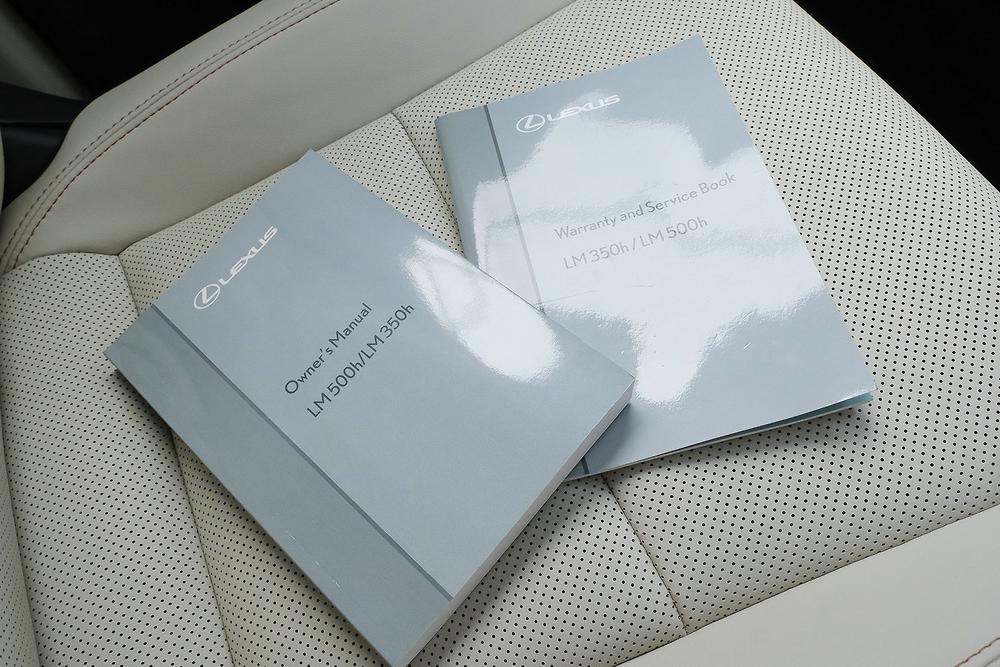
Wondering what a logbook service is and whether you really need one? The name makes it sound like a particular type of service, but it’s actually a maintenance schedule created by your vehicle’s manufacturer. It sets out what needs to be inspected, serviced or replaced at specific times or kilometre intervals.
If you’re planning a logbook service in Melbourne, understanding how the schedule works makes it much easier to know what’s due at your next interval. This guide explains how logbook servicing works, what it can include and how it compares with regular servicing.
TL;DR
- A logbook service follows the maintenance schedule set by your vehicle’s manufacturer. For example, Volkswagen Australia schedules many standard services at 15,000 kilometres or 12 months, whichever comes first, although intervals vary by model.
- What’s included changes as the vehicle reaches different time or kilometre intervals. The logbook sets out the work due at each stage, rather than applying the same service checklist every time.
- Even if a logbook includes an ‘authorised dealer’ stamp box, an independent repairer can sign or stamp it when the relevant servicing requirements are met.
- Choosing an independent workshop doesn’t automatically remove your consumer rights. Consumer guarantees still apply when an independent operator services or repairs the vehicle, although the conditions of any additional or extended warranty should also be checked.
Logbook Servicing Explained
Think of the logbook as the manufacturer’s maintenance plan for your vehicle. It tells you what should be inspected or replaced at each stage of the vehicle’s life. Those milestones are usually based on kilometres travelled or time elapsed, whichever comes first.
The service itself is simply the workshop completing the work that’s due at that particular interval. Once it’s finished, the details are recorded so there’s a clear history of the maintenance that’s been carried out.
What a Logbook Service Includes
There is no single inclusion list that applies to every logbook service, because what is due depends on the vehicle and the current interval. What’s due at 15,000 kilometres won’t necessarily match what’s required at 60,000 kilometres. As the vehicle gets older, additional maintenance items gradually become due, which means the scope of the service changes over time.
While the details vary from one service to the next, most logbook schedules cover the same core categories of work:
- Engine oil and filters: Oil and oil filter changes at most intervals, with air and cabin filters replaced on their own cycles.
- Fluids: Brake fluid and coolant checked or replaced according to the schedule, with transmission fluid on its own longer cycle.
- Brakes and tyres: Pad and disc wear measured, tyre condition and pressures checked.
- Steering and suspension: Components inspected for wear and play.
- Diagnostic checks: Fault codes read from the vehicle’s control units and any stored issue reported.
- Scheduled replacement items: Spark plugs and drive belts at the intervals the manufacturer recommends, along with timing components on the longest cycles.
These are the broad categories of work covered by logbook servicing. The specific tasks completed at each service depend on your vehicle’s maintenance schedule.
Logbook Service vs Regular or Basic Service
Two workshops might both advertise a ‘regular service’ or ‘basic service’, yet include different work. Those labels are usually defined by the workshop itself and can vary from one business to another.
A logbook service works differently from a basic service because the manufacturer decides what’s due at each interval.
| Service Type | Basis | Typical Purpose | Main Question to Ask |
| Logbook service | Manufacturer schedule for the vehicle and current interval | Complete the scheduled maintenance and maintain an accurate service history | What is due at this particular interval? |
| Regular service | Workshop-defined scope or general maintenance | Maintain the vehicle between scheduled services or address general wear | Does the quoted work suit my vehicle’s current needs? |
| Basic service | Limited routine maintenance package | Cover selected maintenance items | Which manufacturer-scheduled items aren’t included? |
Service Schedules, Logbook Stamps and Digital Records
Most manufacturers base servicing on time, kilometres or whichever comes first.
Your owner’s logbook remains the best place to confirm exactly when the next service is due. For example, many Volkswagen models follow a 15,000-kilometre or 12-month interval, although that isn’t a universal schedule and exceptions apply. This is because intervals vary between manufacturers and models.
The way that service is recorded has also changed over the years. Older vehicles often have a stamped paper logbook, while many newer models use digital service records. Itemised invoices can provide valuable supporting information, with details of the work completed and the parts or fluids used during each visit.
Logbook Servicing and Your Warranty
Servicing your vehicle outside the dealership doesn’t automatically affect your consumer guarantee rights. According to the ACCC, routine servicing can be carried out by an independent workshop, provided the manufacturer’s servicing requirements are followed and suitable parts, fluids and procedures are used. Some warranty repairs, however, may still need to be completed through the dealer network.
It’s also worth remembering that routine servicing, warranty repairs and manufacturer recalls are different processes, even though these sometimes happen at the same visit.
Choosing the Right Service for Your Car
Before booking your next service, take a minute to check what’s actually due. Start with the logbook and confirm the next scheduled interval. From there, compare that with the work included in the workshop’s quote.
If your service history has any gaps or you’re unsure when the vehicle was last serviced, mention it when making the booking. Also verify how the service will be recorded, particularly if your vehicle uses a digital service history.
If you’re due for scheduled maintenance, Cavalo’s logbook service in Melbourne follows the manufacturer’s requirements for your vehicle and interval.
FAQs
Can an independent mechanic complete a logbook service?
Yes, provided the workshop follows the manufacturer’s servicing requirements and uses suitable parts, fluids and procedures. An independent workshop can complete scheduled maintenance and update the service record if applicable. The relationship between logbook servicing and warranty is explained in more detail above.
How often does a car need a logbook service?
There’s no single interval that applies to every vehicle. The correct timing comes from the manufacturer’s maintenance schedule and may be based on kilometres travelled, time elapsed or whichever comes first. Your owner’s logbook is the best place to check when the next service is due.
What happens if a logbook service is overdue?
Missing a scheduled service doesn’t create the same outcome for every vehicle, but it does mean maintenance items may remain outstanding and your service history develops a gap. If your vehicle is overdue, the best next step is to check the manufacturer’s schedule and arrange an inspection so you know what work is now required.